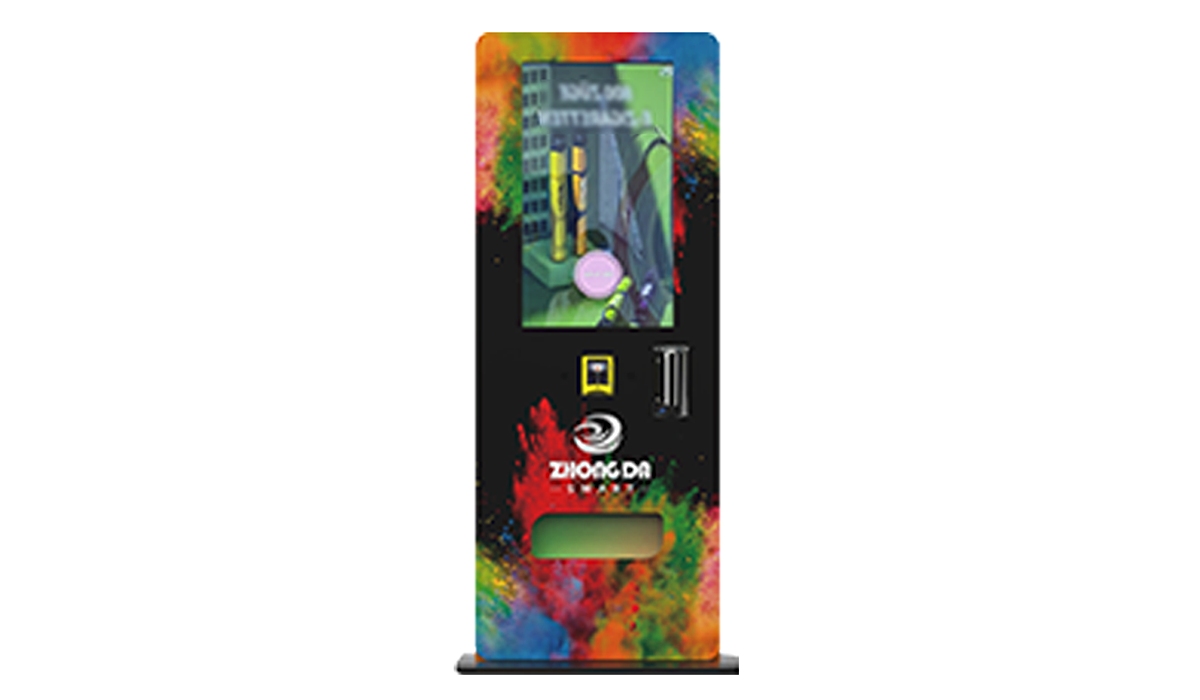
The debut of age identification retail machines signals a notable modification in the way limited wares, like tobacco, are provided. These trailblazing systems, utilizing biometric identification processes – namely facial verification or ID scanning – promise to lessen the likelihood of teenage procurement and offer a enhanced choice to traditional business methods. While apprehensions remain regarding privacy and deployment obstacles, this system could alter the sector of age-limited wares.
Snack Dispensers Now Authenticate Age: What You Should Comprehend
Contemporary technology is altering the retail unit experience, with many now installed with age certification systems. At one time, purchasing age-restricted items like distinctive beverages or consumables from these instruments was a topic of trusting purchasers. Now, tools ranging from face verification to smartphone verification are being utilized to ensure that only individuals of entitled age are capable of make one purchase. The referenced change expresses a substantial progression toward conformity regulations and minimizing underage availability.
Age Verification Device Equipment System Explained
Modern self-service system technology is incorporating sophisticated age checking processes to block attainment to age-restricted merchandise. These systems often employ a variety of processes, including digital scanning of government-issued ID cards, facial recognition technology, and even biometric readings. Customarily, a customer presents their authorized credential or the accepted form of identification. The gadget then assesses the provided information against a age verification vending machine log to authenticate the individual's years. Here's a quick survey at common methods:
- Credential Scanning: The unit detects the facts from the ID.
- Face Comparison: Applies facial features to identify the person's persona.
- Vein Pattern: Relies on singular biological characteristics.
The Rise of Age-Gated Vending: Strengths and Apprehensions
The heightened prevalence of age-gated vending machines is triggering both fervor and anxieties. These emerging systems, utilizing identity recognition or authentication scans, are intended to reduce access to specific products like spirits, tobacco, or therapeutics. Advocates highlight potential assets, such as reducing underage procurements and amplifying compliance with ordinances. However, cynics present serious inquiries regarding privacy, exactness of the tools, and the potential for circumvention by motivated individuals. Furthermore, the expenditure of introducing and servicing such intricate infrastructures remains a considerable challenge for many firms.
Age Assessment Vending Dispensers: Are They Approaching to Your Locality?
The forecast of vending platforms requiring age confirmation is rising in adoption , and it's expected you'll in due course encounter them in your regional area. These advanced systems, engineered to block access to selected products – visualize alcohol or adult items – use different processes like facial analysis or mobile software identification. While defenders stipulate they are intended to reduce underage access, concerns remain about data security and the possible for system errors. The rollout of these devices is now being considered in numerous cities across the country, so stay aware!
How Age Verification Vending Machines Work – A Detailed Look
Age validation dispensing devices utilize a range of procedures to establish that shoppers are of eligible age. Many apply ID verification technology, where a sensor receives a sanctioned permit. This representation is then relayed to a repository to cross-reference it against public records. Alternatively, some instruments might demand the client to input their date of origin through a touchscreen, which is subsequently certified against a parallel registry. Furthermore, facial identification is becoming more routine, although this procedure raises security concerns for multiple. Ultimately, the intention is to restrict the sale of age-restricted offerings to adolescent people.
Verification Process Vending Apparatuses: Addressing Statutory and Ethical Topics
The escalating deployment of age verification vending units raises important legal and cultural problems. These novel technologies, designed to allocate merchandise only to adults of authorized age, present challenges related to information privacy, predictable for prejudice in identification methods, and the overall control of vendors . Anxieties have been expressed about the authenticity of digital analyses, particularly regarding likely misidentification and its outcome on citizens.
- Private safeguarding is a crucial aspect.
- Automated prejudice must be conscientiously tackled .
- Open regulations are essential to supervise their implementation.
More Than Alcohol: Multiplying Employments for Age Verification Vending
Age verification devices initially attained prominence due to controls on alcohol offerings, but their opportunities extend far past that original role. Increasingly, these instruments are being utilized for confirming age for gaining a extensive collection of products, such as pharmaceuticals, toiletries, wagering tickets, and even special networked content. This shift represents a major prospect for suppliers and corporations seeking to obtain compliance while upgrading the purchaser experience.
The Future in Retail? User Verification Self-Service Machines Experience Traction
The shifting retail environment is observing a striking shift, with age verification units rapidly securing traction. These trailblazing machines, affording for validated alcohol, tobacco, or legal-age content purchases, are situated to innovate the patron experience. Retailers are persistently exploring this platform to confront regulatory directives and advance client safety, potentially decreasing the liability on store staff and simplifying the checkout process.
