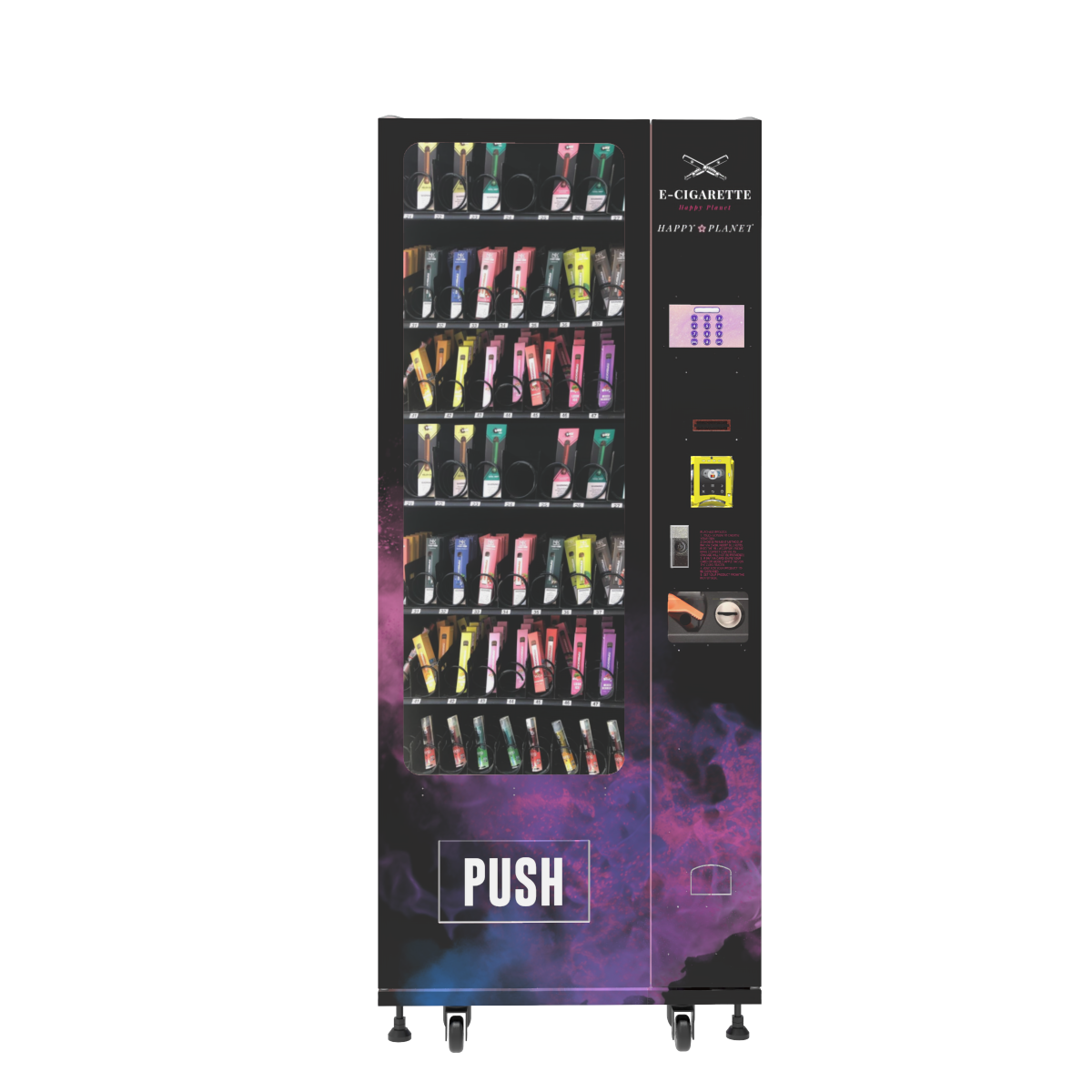
The unveiling of age authentication dispensing units showcases a notable modification in the way limited products, like spirits, are supplied. These innovative systems, utilizing electronic identification mechanisms – exemplified by facial analysis or ID inspection – promise to minimize the likelihood of teenage procurement and provide a improved replacement to traditional outlet methods. While concerns remain regarding confidentiality and installation complications, this platform could redefine the market of age-restricted goods.
Dispensing Units Now Verify Age: What You Require Be Aware Of
Innovative technology is remodeling the self-service machine experience, with many now outfitted with age approval systems. At one time, purchasing age-restricted items like distinctive beverages or snacks from these machines was a matter of trusting consumers. Now, technology ranging from biometric scans to cellular app verification are being employed to ascertain that solely individuals of lawful age have the right to make a single purchase. That change signifies a major move toward adherence regulations and reducing underage access.
User Authentication Machine Instrument Approach Explained
Modern automatic apparatus technology is applying sophisticated age validation processes to limit access to age-restricted merchandise. These systems often employ a variety of strategies, including optical scanning of government-issued documents, facial recognition, and even biometric inputs. Commonly, a customer displays their official badge or additional accepted form of authentication. The system then analyzes the provided input against a repository to ensure the individual's temporal age. Here's a quick outline at common methods:
- Identification Capture: The machine detects the facts from the identification.
- Face Comparison: Applies facial features to identify the person's persona.
- Biometric Authentication: Relies on specific biological markers.
The Expansion of Age-Gated Vending: Benefits and Problems
The increasing prevalence of age-gated automated machines is sparking both exuberance and worries. These recent systems, utilizing facial recognition or validation scans, are manufactured to reduce access to certain products like spirits, tobacco, or medicines. Champions highlight potential gains, such as lowering underage buyings and reinforcing compliance with statutes. However, disbelievers articulate reasonable issues regarding information protection, authenticity of the methods, and the potential for manipulation by tenacious individuals. Furthermore, the expense of setting up and operating such sophisticated architectures remains a weighty barrier for many enterprises.
Age Test Vending Machines: Are They Coming to Your Locality?
The forecast of vending machines requiring age confirmation is spreading rapidly , and it's anticipated you'll soon encounter them in your community area. These cutting-edge systems, crafted to confine access to certain products – consider alcohol or restricted merchandise – use several solutions like face authentication or phone app identification. While proponents maintain they are likely to minimize underage obtaining, suspicions remain about anonymity and the expected for technical glitches. The implementation of these technologies is at present being discussed in many places across the country, so remain aware!
How Age Verification Vending Machines Work – A Detailed Look
Age verification automated systems utilize a variety of mechanisms to establish that buyers are of required age. Many use ID reading technology, where a camera receives a sanctioned permit. This representation is then dispatched to a archive to correlate it against government records. Alternatively, some units might request the operator to offer their date of arrival through a display, which is subsequently verified against a similar directory. Furthermore, facial verification is rising more widespread, although this approach raises secrecy suspicions for numerous. Ultimately, the purpose is to forbid the exchange of age-restricted commodities to younger patrons.
Age Screening Vending Devices: Addressing Juridical and Cultural Challenges
The rising deployment of age verification vending units raises notable legal and ethical debates. These cutting-edge technologies, designed to dispense wares only to persons of qualified age, present challenges age verification vending machine related to consumer privacy, possible for inequality in verification methods, and the overall responsibility of entrpreneurs. Worries have been communicated about the correctness of advanced evaluations, particularly regarding potential misidentification and its influence on individuals .
- Personal security is a essential consideration .
- Computerized bias must be diligently addressed .
- Explicit protocols are necessary to supervise their application .
Extending Beyond Alcohol: Expanding Uses for Age Verification Vending
Age authentication apparatuses initially received prominence regarding regulations on alcohol exchange, but their potential extend far greater than that primary usage. Increasingly, these instruments are being utilized for validating age for reaching a comprehensive set of items, comprising pharmaceuticals, skin care, gaming-related tickets, and even certain online content. This evolution represents a considerable possibility for retailers and businesses seeking to guarantee compliance while optimizing the client experience.
An Future Pertaining to Retail? Buyer Verification High-Tech Machines Garner Traction
The evolving retail sector is seeing a extraordinary shift, with age verification machines rapidly achieving traction. These avant-garde machines, granting for authenticated alcohol, tobacco, or senior content purchases, are positioned to overhaul the user experience. Retailers are consistently exploring this innovation to confront regulatory directives and augment client safety, potentially decreasing the load on store staff and optimizing the payment process.
